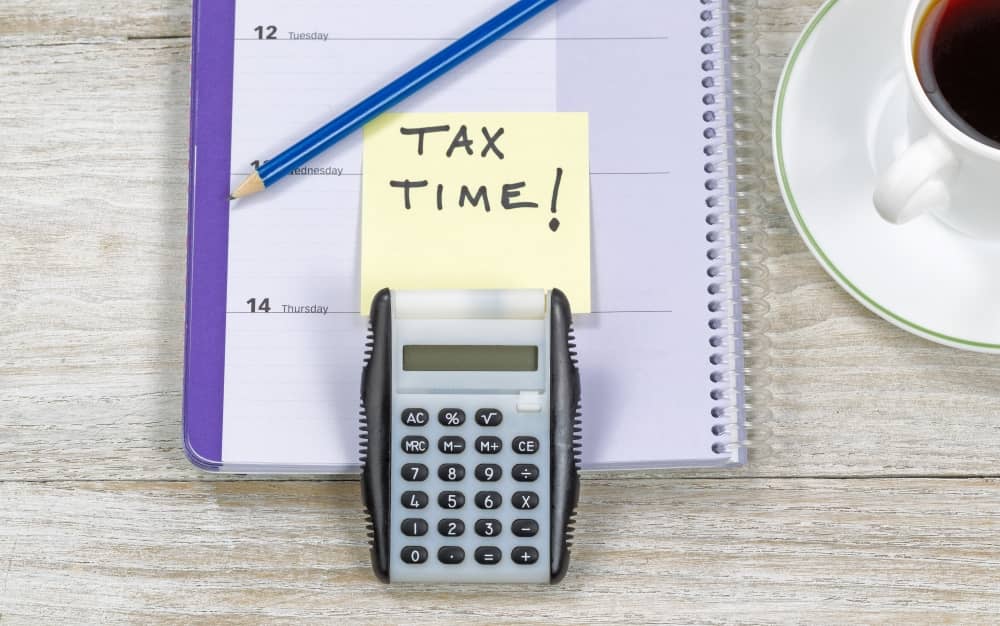
Welcome to our comprehensive tax return guide for Australia. This resource is designed to walk you through every stage of the refund process — from understanding eligibility and calculating your refund to maximising deductions, offsets, and special entitlements. We cover how to lodge your return, how long refunds take, and what records you’ll need to keep. You’ll also find practical information for non-residents, students, and working holiday makers, as well as guidance on tracking your return after lodgement and making amendments if required.
Whether you’re lodging on your own or using a registered tax agent, this guide gives you the clarity and confidence to get your refund quickly and correctly. Use our Tax Return Calculator for an instant estimate, and explore the linked resources throughout this page for detailed help on timing, deductions, offsets, and refund options.
Quick Summary
Who gets a refund: You get money back when the tax withheld from your pay is more than the tax you owe after deductions and offsets. Residents benefit from the $18,200 tax-free threshold; non-residents have different rates.
How it’s calculated: Start with total income; subtract deductions; apply tax rates and offsets; compare to PAYG withheld. If withheld is higher, the difference is your refund.
What to claim: Work clothing; tools and equipment; car, phone and internet for work use; self-education linked to your job; working-from-home costs; donations and tax-agent fees. Keep records.
How to lodge: Lodge online, by paper, or with a registered tax agent. Electronic lodgment is fastest.
Tax return due dates: Self-lodged individuals: 31 October for the prior year (e.g., 2024-25 due 31 October 2025). With a tax agent: Up to 15 May 2026 if registered by 31 October and prior returns lodged.
If you miss the due date: Failure to Lodge (FTL) penalty starts at $330 for individuals; adds $330 every 28 days (up to $1,650 max). GIC applies to owed tax at ~11.38% per year. Penalties even for refunds; remission possible for good reasons.
Timing: Most electronically lodged returns are processed in about 12 business days; paper takes longer; manual reviews can delay.
Special cases: Rules differ for non-residents, international students, working holiday makers, and short-term visitors.
Offsets and credits: Low-income tax offset; zone or remote area tax offset; private health insurance rebate; spouse super contribution offset and others where eligible.
After lodgement: Track progress in myGov or the ATO app; respond to ATO checks; request amendments; set up a payment plan if you owe.
1. Eligibility for a Tax Refund
You are likely to receive a refund if:
You are an Australian resident for tax purposes; you earned above the $18,200 tax-free threshold; and PAYG tax was withheld from your pay.
You changed jobs, had multiple jobs, or your withholding settings did not match your final income.
You have legitimate deductions that reduce taxable income.
You qualify for offsets or credits that reduce tax payable.
Non-Residents and Working Holiday Makers
Non-residents generally do not receive the tax-free threshold and face different rates.
Working holiday makers are taxed under specific rules.
Many international students are residents for tax purposes; this can unlock the threshold and offsets. See the international student guide.
2. How to Calculate Your Tax Refund
Step-by-Step
Add all taxable income: salary and wages; allowances; government payments; bank interest; dividends and franking credits; managed funds; rental income; capital gains; side-gig income.
Subtract allowable deductions to arrive at taxable income.
Apply the correct resident or non-resident tax rates.
Reduce the result with any offsets and tax credits you can claim.
Compare the final tax payable to total PAYG withheld.
If PAYG withheld > tax payable; you get a refund.
If PAYG withheld < tax payable; you will have an amount to pay.
Get an Estimate
Use the tax return calculator for a ballpark figure. Our agents then refine it line-by-line.
3. Common Deductions to Maximise Your Refund
Deductions must be paid by you; be directly related to earning your income; and you need records where required. Some small claims have record-keeping concessions.
Work Clothing and Protective Items
Compulsory uniforms; occupation-specific clothing; protective gear such as steel-cap boots, high-vis, safety glasses.
Tools, Equipment, Subscriptions
Tools and devices you use for work; union and professional fees; industry journals; software. Depreciation rules may apply.
Car Expenses
If you use your own car for work (not commuting), choose one method:
Cents-per-kilometre up to the annual limit; or
Logbook method; claim the business-use percentage of actual costs.
Home Office Costs
You may claim a fixed rate method or actual costs method when you meet the record rules. Maintain a work-hours diary or equivalent evidence and keep invoices for equipment, electricity, and internet.
Phone and Internet
Claim the work-related percentage only. Keep usage records or a reasonable basis for your split.
Self-Education
The course must maintain or improve skills used in your current job or be likely to lead to increased income in that job.
Donations and Tax-Agent Fees
Donations to deductible gift recipients; fees you pay to registered agents.
Need money sooner? Eligible clients can access our same-day refund service up to $500.
7. Special Cases: Non-Residents, Students, Working Holiday Makers, Tourists
Non-Residents
No general access to the tax-free threshold; different rates; limited offsets. See non-resident tax rates.
International Students
Many are residents for tax; this may unlock the threshold and offsets; typical deductions include course-related items used for current employment. See the international student guide.
Working Holiday Makers
Taxed under separate rules; correct visa class matters; ensure income and PAYG reporting aligns with employer settings.
Tourists and Short-Term Visitors
The Tourist Refund Scheme may refund GST on goods when leaving Australia; separate from your income tax return.
8. Tax Offsets and Credits That Lift Your Result
Offsets reduce tax payable dollar-for-dollar up to their cap:
Low-income tax offset where eligible.
Zone or remote area tax offset if you live and work in a designated area; see tax offset for remote area.
Spouse super contribution offset and other targeted offsets in specific cases.
Our agents check every offset so you do not miss out.
9. Income Types and What They Mean at Tax Time
Report all income correctly to claim the right deductions and avoid penalties. The ATO pre-fills some data, but you must include everything.
Salary and wages; allowances; bonuses: From payment summaries or income statements. Tax is withheld, but report gross amounts. Allowances like tools or uniforms may be assessable unless exempt. Bonuses count as ordinary income.
Centrelink and Services Australia payments where assessable: JobSeeker, Youth Allowance, or Parenting Payments can be taxable if over thresholds. Exempt ones like Family Tax Benefit do not count. Check your notice for details.
Interest, dividends, franking credits, managed funds including capital gains components: Banks and companies report to the ATO. Interest is fully taxable. Dividends come with franking credits to offset tax. Managed funds distribute income and capital gains; report even if reinvested.
Rental income including short-stay platforms and bond forfeits: Declare gross rent from properties or apps like Airbnb. Deduct expenses like repairs or agent fees. Forfeit bonds count as income if kept.
Side-gig and contractor income including ride-share and delivery: Report all payments from platforms like Uber or DoorDash. No tax withheld often, so track invoices. Claim car or equipment costs if related.
Capital gains from selling shares, crypto, or property: Calculate gain as sale price minus cost base. Discount applies for assets held over 12 months (50% for individuals). Losses offset gains. Crypto trades count as disposals.
Foreign income and double tax considerations: Include worldwide earnings if an Australian resident. Claim foreign income tax offsets for tax paid overseas to avoid double taxation. Report pensions or investments too.
If you received several income types, bring all statements and settlement records for accurate pre-fill and reconciliation.
10. Tax Return Due Dates
It’s crucial to lodge on time to avoid penalties and get refunds faster. The below dates apply to the prior financial year.
Individuals (self-lodged): 31 October (e.g., 2024-25 due 31 October 2025).
With a registered tax agent: Up to 15 May 2026 if added to the agent’s list by 31 October 2025 and prior returns are lodged.
Companies: Generally 28 February (or 31 March for some).
Trusts and partnerships: 31 October or extended with an agent; high liabilities may require earlier lodgment.
Non-residents: 31 October unless using an agent.
Late lodgment: Possible anytime, but penalties apply after the due date.
Payment follows assessment, usually 21 days after notice. Use our tax return calculator to prepare.
11. What Happens If You Miss the Tax Return Due Date
Missing the 31 October deadline for self-lodged returns triggers penalties from the ATO. Lodge as soon as you can to limit costs and avoid escalation.
Failure to Lodge (FTL) penalty: Starts at $330 for individuals and small businesses (turnover under $1 million). Adds $330 every 28 days or part thereof, capped at five units for a maximum of $1,650.
General Interest Charge (GIC): Runs daily on any tax owed, at around 11.38% per year, starting from the original due date until paid.
Penalties even for refunds: FTL applies regardless of a refund; the ATO may remit it for low-risk cases, but not always.
Higher risks for businesses: Medium entities (turnover $1 million to under $10 million) face $660 per unit, up to $3,300. Large entities (over $10 million) pay $1,650 per unit, up to $8,250.
Other issues: Refunds process slower; data mismatches raise audit flags. Repeated delays can double penalties or block offsets.
Remission options: Apply for waiver with reasons like illness, disaster, or genuine errors. Provide evidence; first-time issues often succeed. See our guide on requesting remission of penalties.
Extensions with agents: Register with a tax agent by 31 October (prior returns lodged) for a deadline up to 15 May 2026.
If you’ve missed the deadline, act fast and lodge now to reduce penalties.
12. After Lodgement: Tracking, Reviews, and Amendments
Track your return in myGov or the ATO app for status updates.
If the ATO requests information, respond promptly; we can handle this for you.
Amendments can be lodged when you find missing income or deductions.
If you owe tax, set up a payment plan that suits your budget.
13. Smart Preparation Checklist
Before your appointment or online application:
myGov login details if you have them; photo ID; bank account for direct deposit.
Income: STP income statement, PAYG payment summaries, interest and dividend statements, managed fund statements, rental statements, crypto and CGT transaction records.
Deductions: receipts and invoices; car logbook or km records; phone and internet usage; home-office hours diary and bills; self-education invoices; donations; union and professional fees.
Private health insurance statement; spouse details for offset checks if relevant.
Not always. Some small claims under set thresholds do not need receipts, but you must show how you calculated the amount and that you spent it. See: What can I claim without receipts?.
Which deductions give the biggest boost?
Work-related car costs; correctly calculated home-office claims; essential tools and protective clothing; self-education tied to your current role; donations to eligible charities; tax-agent fees.
Is working-from-home claimable?
Yes if you meet the rules. We help choose the best method and set up simple records so claims stand up to ATO review.
I worked two jobs. Will I get a refund or a bill?
It depends on how much was withheld from each job compared with your final tax payable. We reconcile this for you and advise on future withholding settings.
What if the ATO offsets my refund against a debt?
The ATO can use your refund to pay government debts. We explain what happened and your next steps.
Can you fix a mistake after I lodge?
Yes. We can amend your return and respond to ATO enquiries on your behalf.
With over 35 years' combined experience, our team of Certified Public Accountants' collective qualifications include a Master’s Degree in Professional Accounting from UNSW, a Master’s Degree in Accounting and Business Management from Southern Cross University, and a Master of Business Administration (MBA) in Accounting and Management from Holmes Institute.
The information provided on this website is for general informational purposes only and is not intended to be legal, financial, or tax advice. While we strive to ensure the accuracy of the information, we make no representations or warranties of any kind, express or implied, about the completeness, accuracy, reliability, suitability, or availability of the website or the information, products, services, or related graphics contained on the website for any purpose. Any reliance you place on such information is strictly at your own risk. You should directly consult with a qualified tax professional such as ours before making any tax-related decisions.
Get Your Tax Sorted, Fast!
Simply fill out the form and one of our Australian tax experts will call you back.